
By dror s.
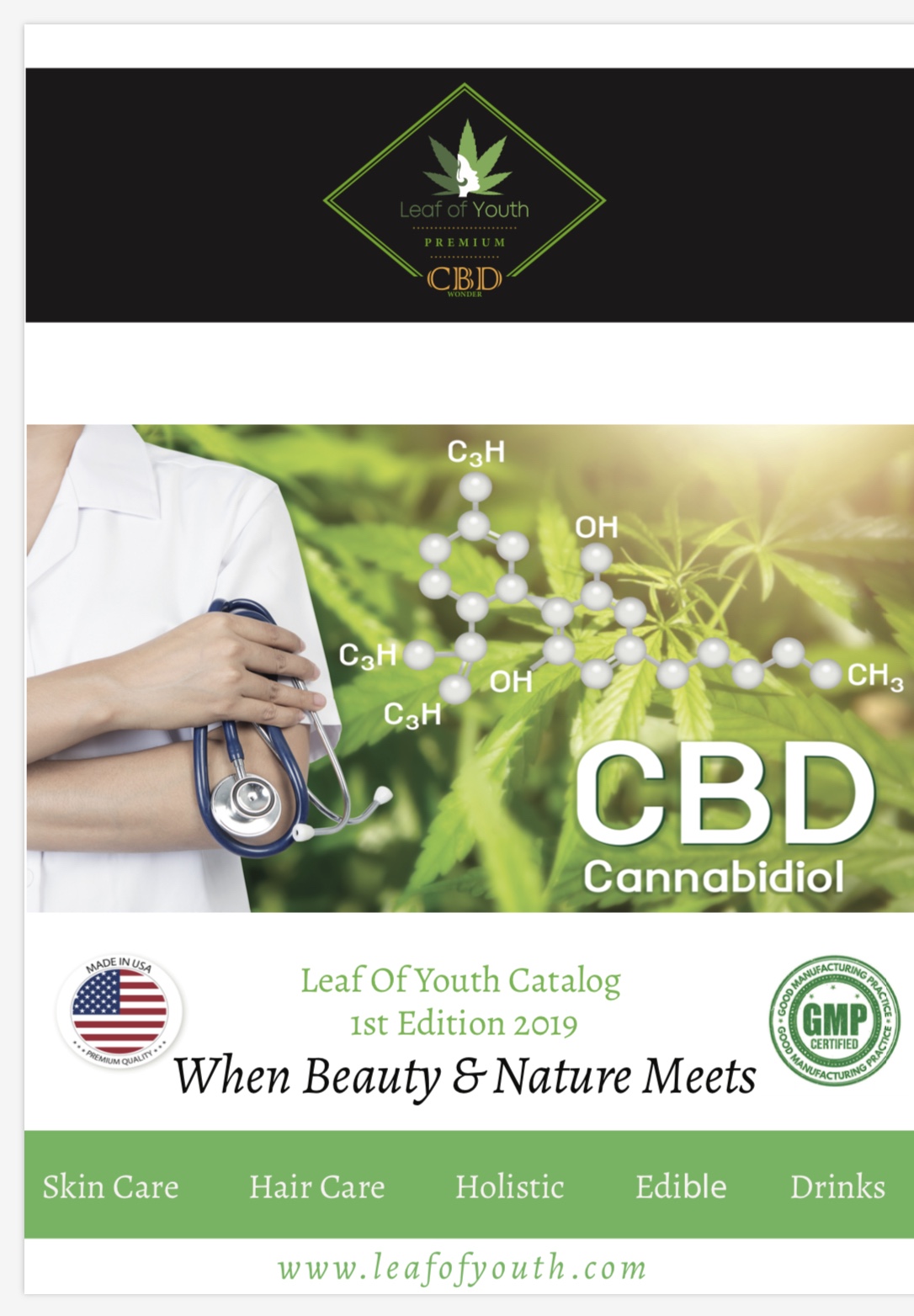
CBD is found in cannabis plant, known as cannabinoids. Researchers looked at the potential therapeutic uses of CBD. CBD oils are oils that contain CBD levels. These oils vary in concentrations and use.
Although CBD is an essential component of medical marijuana, it is obtained directly from the hemp plant, a marijuana plant cousin. While CBD is an element of cannabis (one of the hundreds), it does not trigger a “high” on its own. A study conducted by World Health Organization states, “CBD has no indicative effect on individuals of any capacity for violence or reliance… There is no proof to date of public health issues linked to the use of pure CBD.
How CBD oil works?
CBD appears to assist with some neurological conditions and pain. It’s anti-inflammatory, antibacterial, and more, tells Joseph Cohen, D.O., a cannabis physician in Boulder, CO. Taken orally — as a tincture, in a capsule, or vaped — some discover it can also relieve anxiety and depression by operating on the body’s endocannabinoid mechanism, which plays a part in self-regulation, mood, and relaxation.
Our bodies generate endocannabinoids every day, says Joseph Maroon, M.D., the University of Pittsburgh Medical Center’s clinical teacher and vice president of neurosurgery. These bind receptors throughout our bodies, suggests Dr. Parodneck; it may be that individuals who do not generate enough cannabinoids themselves profit from exogenous phytocannabinoids— that is, plant-based CBD— which then attach to these receptors. Another hypothesis is that taking CBD makes it possible for our bodies to stick around natural cannabinoids longer, prolonging the calming impact, suggests Dr. Maroon.
BENEFITS OF CBD OIL:
CBD has several different benefits. Some of them are as follow:
1. Pain Reliever:
The human body has a specific structure called the endocannabinoid system (ECS) that regulates a range of tasks, including sleep, appetite, pain, and reaction to the immune system. The body generates endocannabinoids that are neurotransmitters in your nervous system that bind to cannabinoid receptors. Studies have shown that CBD can assist decrease chronic pain by affecting the receptor activity of endocannabinoids, reducing inflammation, and interacting with neurotransmitters.
A mixture of CBD and THC has been discovered to be efficient in treating pain associated with multiple sclerosis and arthritis in several human studies. An oral spray called Sativex, a mixture of THC and CBD, is approved for the treatment of various sclerosis-related pain in several countries. One research of 47 individuals with multiple sclerosis investigated the impacts of one month taking Sativex. Participants experienced pain, walking, and muscle spasms improvement. However, the research did not include any control group, and it is not possible to rule out placebo impacts.
2. Treats Epilepsy:
The FDA endorsed the use of CBD (Epidiolex) as a treatment for two rare conditions defined by epileptic seizures in 2018 after studying the safety and efficacy of CBD oil for the treatment of epilepsy.
In the United States, a doctor may prescribe Epidiolex to treat: Lennox-Gastaut syndrome (LGS), a disease that occurs between the ages of 3 and 5 years and includes various types of seizures Dravet syndrome (DS), a rare genetic condition that occurs in the first year of life and includes frequent fever-related seizures.
3. Treats Anxiety and Depression:
Depression is the single most significant cause of disability worldwide, according to the World Health Organization, while anxiety disorders are ranked sixth. Anxiety and depression are typically handled with drugs that can trigger several side effects, including drowsiness, agitation, insomnia, sexual dysfunction, and headache.
Moreover, drugs such as benzodiazepines can be addictive and can lead to abuse of substances.
CBD is effective in treating anxiety and depression, leading many people living with these illnesses to become interested in this natural approach.
Difference between full and broad-spectrum CBD Oil:
Full-spectrum CBD is an extract containing all naturally occurring compounds in the plant. The full spectrum of cannabinoids, terpenes, and essential oils obtained from the plant act together to magnify the therapeutic advantages of each cannabinoid person. This is commonly called the “entourage effect.”
In a study conducted by Lautenberg Center, Researchers discovered that test subjects with full-spectrum CBD had higher rates of relief compared to subjects with CBD isolate. Furthermore, the findings showed that full-spectrum CBD had improved impacts with higher dosages, while CBD’s results were consistent with increased dosages.
Broad Spectrum CBD products comprise a wide range of cannabinoids and terpenes but zero THC. Think of Broad Spectrum CBD without the THC as Full Spectrum. To produce Broad Spectrum CBD, producers will isolate and remove as many trace quantities of THC as possible while maintaining the other natural cannabinoids and terpenes through extra processing. Broad Spectrum CBD is the best choice for people who, for medical, personal or legal reasons, cannot have any traces of THC in their system.
Can CBD make you high?
Consumers commonly misunderstand that CBD generates a strong psychoactive because it is derived from cannabis plants. Although CBD produces some noticeable impacts, it does not make individuals feel high like other cannabinoids, namely tetrahydrocannabinol (THC), discovered in marijuana.
In cannabis plants, both THC and CBD occur naturally. The cannabis plant and the THC compound can isolate CBD. People infuse CBD without the high-inducing THC into tinctures, oils, edibles, and other products.
Nevertheless, many people may believe that CBD creates the same impacts as marijuana, as both can be discovered in the same plant. CBD alone, however, is non-toxic. It is not going to cause a high.
It is also possible to derive CBD from the hemp plant. Hemp also does not have any psychoactive effects. In reality, only hemp-derived CBDs are legally accessible in many countries. By legislation, these goods can have no more than 0.3% THC.
Products obtained from hemp and hemp is legal under the Farm Bill, provided that their THC content is below 0.3%. There’s still some confusion about the specifics, though.
People should check the legislation in their state and any travel destination. They should bear in mind that the FDA has yet approved no nonprescription products.
References:• https://www.healthline.com/health/does-cbd-get-you-high• https://www.tuck.com/does-cbd-get-you-high/• https://medium.com/cbd-origin/full-spectrum-vs-broad-spectrum-vs-cbd-isolate-the-difference-explained-a09e415bf235• https://www.thebrothersapothecary.com/cbd-isolate-vs-broad-spectrum-vs-full-spectrum/• https://www.health.harvard.edu/blog/cannabidiol-cbd-what-we-know-and-what-we-dont-2018082414476

 Cbd
Cbd 